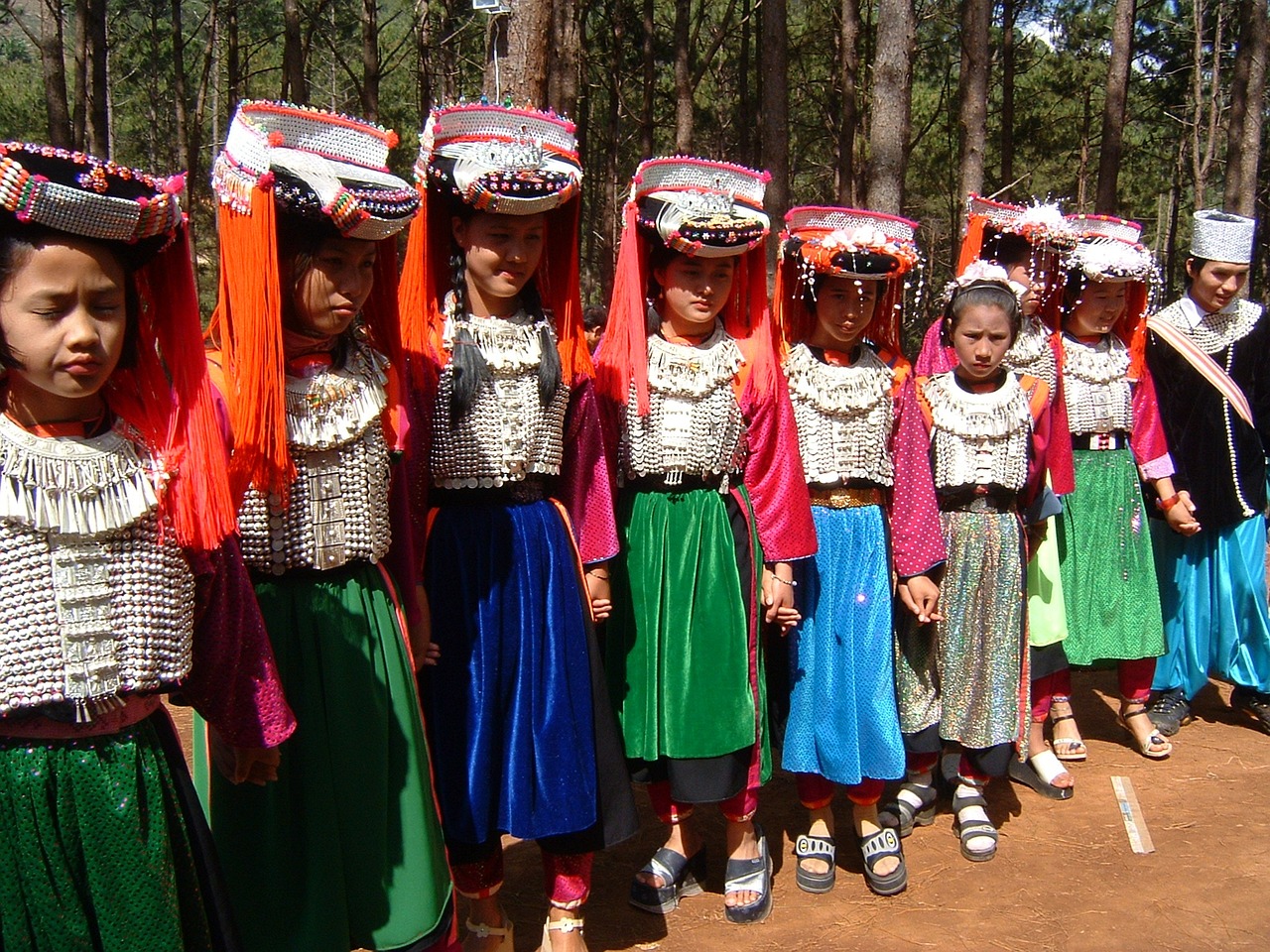
Respect For Cultural Heritage And Traditions –
Poverty is a complex and multifaceted issue that affects millions of people around the world. Eradicating poverty requires a comprehensive approach that is tailored to the unique needs of local communities. This approach must take into account the cultural and historical traditions of indigenous and other populations, as well as their limitations. The importance of establishing solutions for poverty eradication that are individually tailored to meet the needs of local communities, including a respect for their unique cultural and historical traditions and limitations are imperative for program success.
Poverty is a global issue that affects people in both developed and developing countries. According to the World Bank, an estimated 9.2% of the world’s population lived in extreme poverty in 2017, which means they lived on less than $1.90 per day. Poverty is not just about a lack of financial resources, but also encompasses issues related to education, healthcare, access to clean water and sanitation, housing, and employment opportunities. Poverty is a vicious cycle that can be difficult to break, and it often affects multiple generations.
The Complex Nature of Poverty
The complex nature of poverty requires solutions that are tailored to the specific needs of local communities. A one-size-fits-all approach is unlikely to be effective, as different communities have different needs, challenges, and opportunities. Therefore, it is important to understand the unique cultural and historical traditions of indigenous and other populations to develop effective solutions for poverty eradication.
Indigenous communities have a deep connection to the land, which has been passed down through generations. They have their own language, customs, and way of life. However, many indigenous communities face significant challenges related to poverty. These challenges are often compounded by historical factors such as colonization, forced displacement, and discrimination.
To effectively address poverty in indigenous communities, solutions must be tailored to their unique needs and respect their cultural and historical traditions. For example, programs that promote sustainable agriculture or the use of traditional medicinal plants can be effective in improving the livelihoods of indigenous communities. These programs not only address the issue of poverty but also help to preserve their cultural traditions and knowledge.
Another important factor to consider when developing solutions for poverty eradication is the limitations of local communities. These limitations may be related to infrastructure, education, or other factors. For example, a lack of access to clean water and sanitation can have a significant impact on the health and well-being of a community. Therefore, solutions that focus on improving access to these basic services can be highly effective in reducing poverty in such communities.
In addition to infrastructure limitations, many communities may lack access to education and training opportunities. This can limit their ability to find employment and increase their income. Therefore, programs that focus on improving education and training opportunities can be highly effective in reducing poverty. For example, vocational training programs that teach skills such as carpentry, tailoring, or welding can help individuals to start their own businesses and increase their income.
One of the key benefits of tailoring solutions to the specific needs of local communities is that it helps to build trust and engagement with the community. When local communities are involved in the development and implementation of poverty eradication solutions, they are more likely to be invested in the success of those solutions. This can lead to greater participation and ownership of the programs, which in turn increases their effectiveness.
The Importance Of Custom Systemic Solutions
In addition to building trust and engagement, tailoring solutions to the specific needs of local communities also helps to promote cultural sensitivity and respect. This is particularly important when working with indigenous communities, as their cultural traditions and knowledge are often undervalued or overlooked. By incorporating their knowledge and traditions into poverty eradication programs, we can help to promote greater respect and appreciation for their way of life.
Another important consideration when developing solutions for poverty eradication is the need for long-term sustainability. Poverty is a complex issue that requires ongoing attention and effort. Therefore, it is necessary to establish a systemic approach for addressing the needs of each community independent.
Ironically perhaps however, such an approach not only further increases the potential success of the program, but ensures that the economic sustainability of the programs are able to continue at a predictable rate of growth and expansion, ultimately providing an exponential growth into further opportunities for an increase in the median quality of life for local residents, in a manner that can later be expanded to include the surrounding areas.